

For more than a century, marketing has relied on one simple idea: humans trust humans. We see ourselves in others: in their faces, their stories, and their imperfections. Trust has always been a human concept, rooted in emotion and vulnerability.
But what happens when the next “face” of a brand is no longer human?
We are entering a new age in which influence itself becomes synthetic. Virtual, computer-generated personas designed by brands, trained by algorithms, and powered by artificial intelligence are beginning to shape our desires, tell our stories, and sell our products. These digital beings never age, never sleep, and never make mistakes. They are flawless, programmable, and infinitely available.
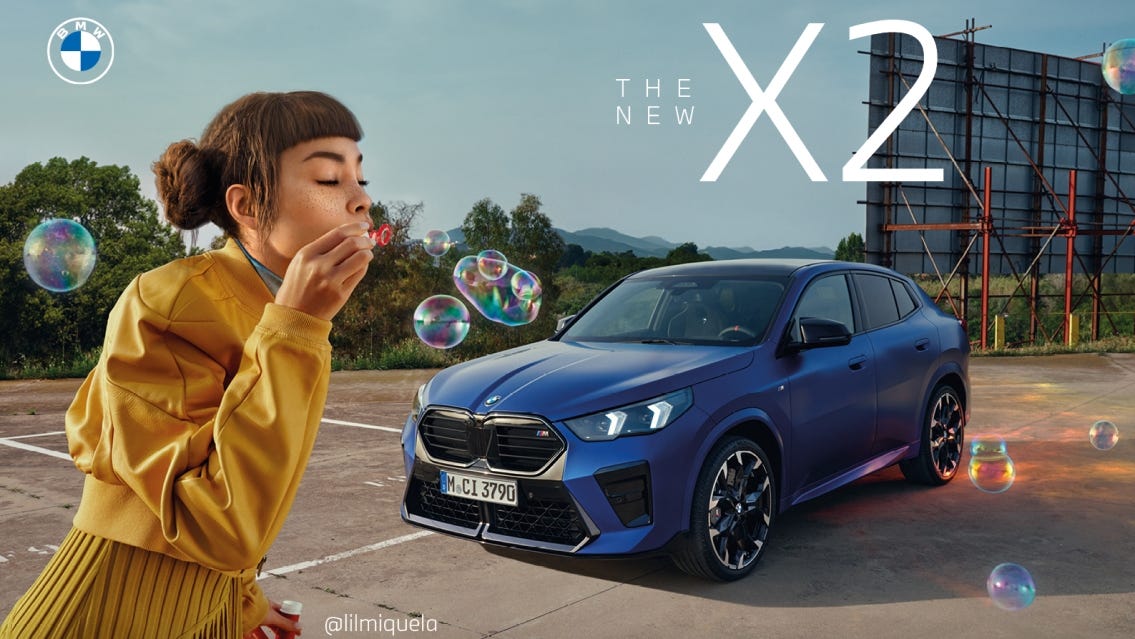
Lil Miquela models for Prada, and a digital Colonel Sanders promotes KFC. Brands embrace these virtual influencers not because they are human, but precisely because they are not. They represent a new form of control, consistency, and scalability — a reflection of how technology continues to reshape not only the tools of marketing, but the very nature of trust itself.
The Rise of the Digital Persona
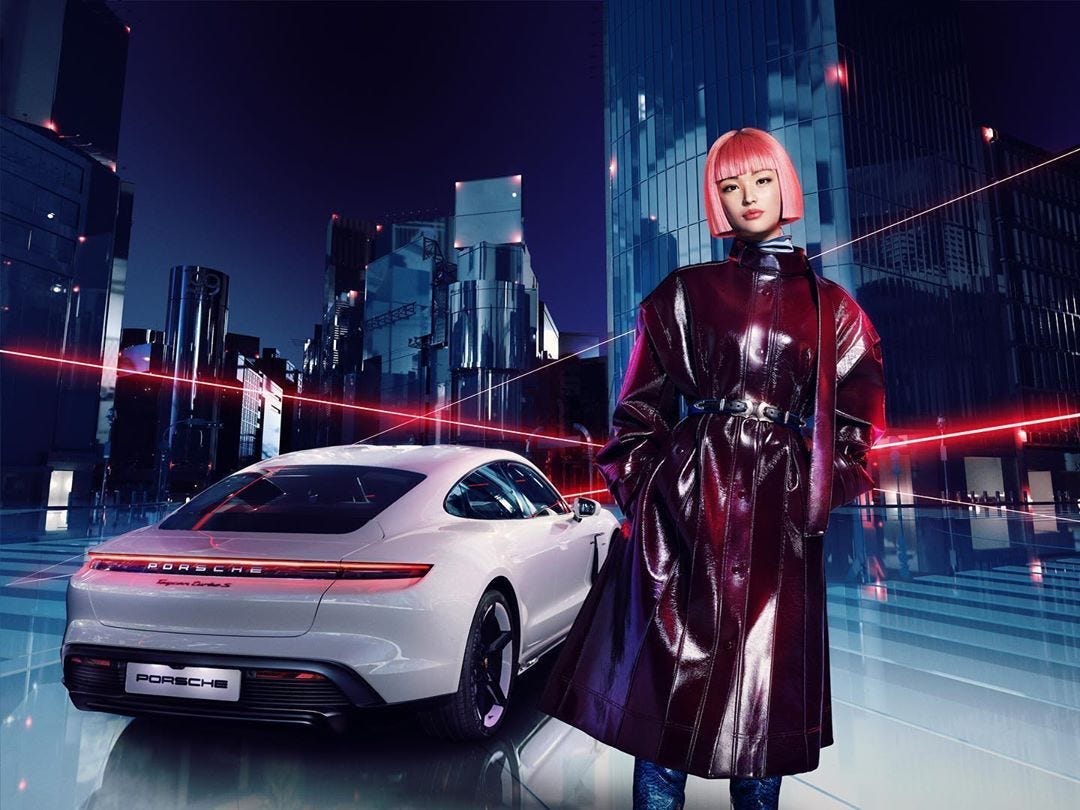
Virtual influencers are no longer niche experiments — they are shaping the global marketing landscape. In 2025, they dominate Instagram and are slowly expanding to other platforms. These virtual influencers are fully computer-generated digital characters active on social media, creating engaging content and building loyal audiences while collaborating widely with brands. Unlike human influencers, they can be controlled precisely and designed to fit brand needs, though they face challenges in authenticity and emotional connection.
The Leading Virtual Influencers by Platform (2025)
Instagram: still the main stage for virtual influence:
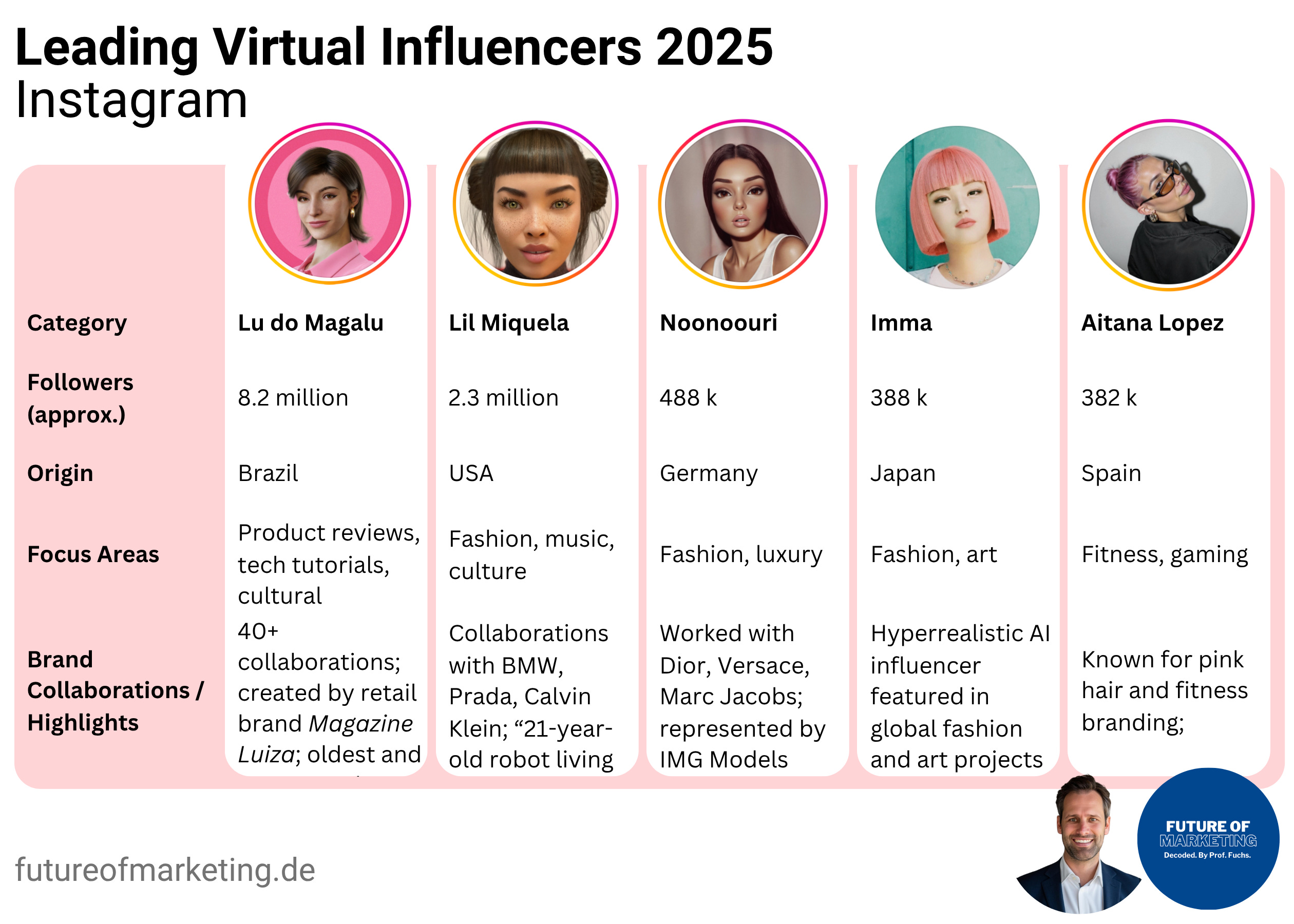
Lu do Magalu (@magazineluiza): Around 8.2 million followers, the world’s biggest virtual influencer. Based in Brazil, she combines product reviews, tech tutorials, and cultural storytelling with over 40 brand collaborations. Created by a Brazilian retail brand, she is the oldest and most popular virtual influencer on Instagram.
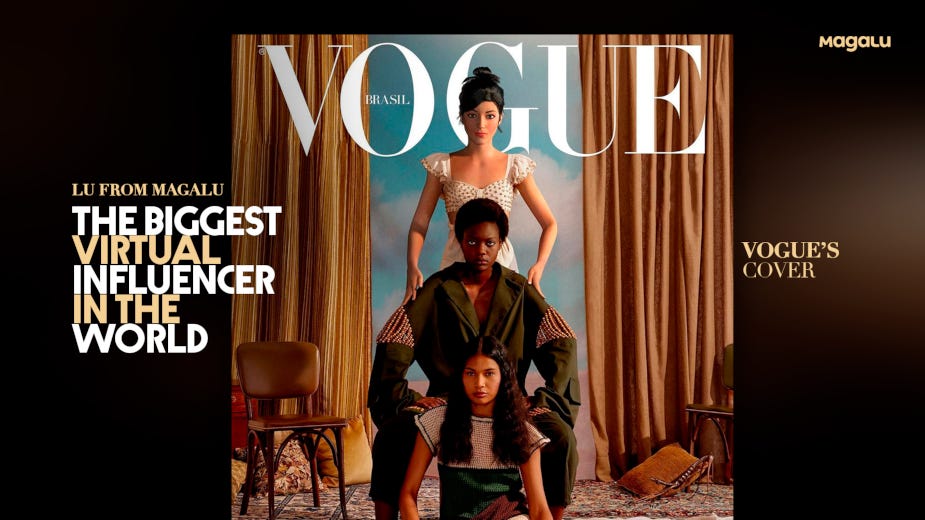
Lil Miquela (@lilmiquela): One of the first virtual influencers with about 2.3 million Instagram followers. She is a cultural icon, influencer, model and musician, collaborating with luxury brands such as BMW, Prada and Calvin Klein. She has a carefully crafted persona often described as a “21-year-old robot living in LA.”.
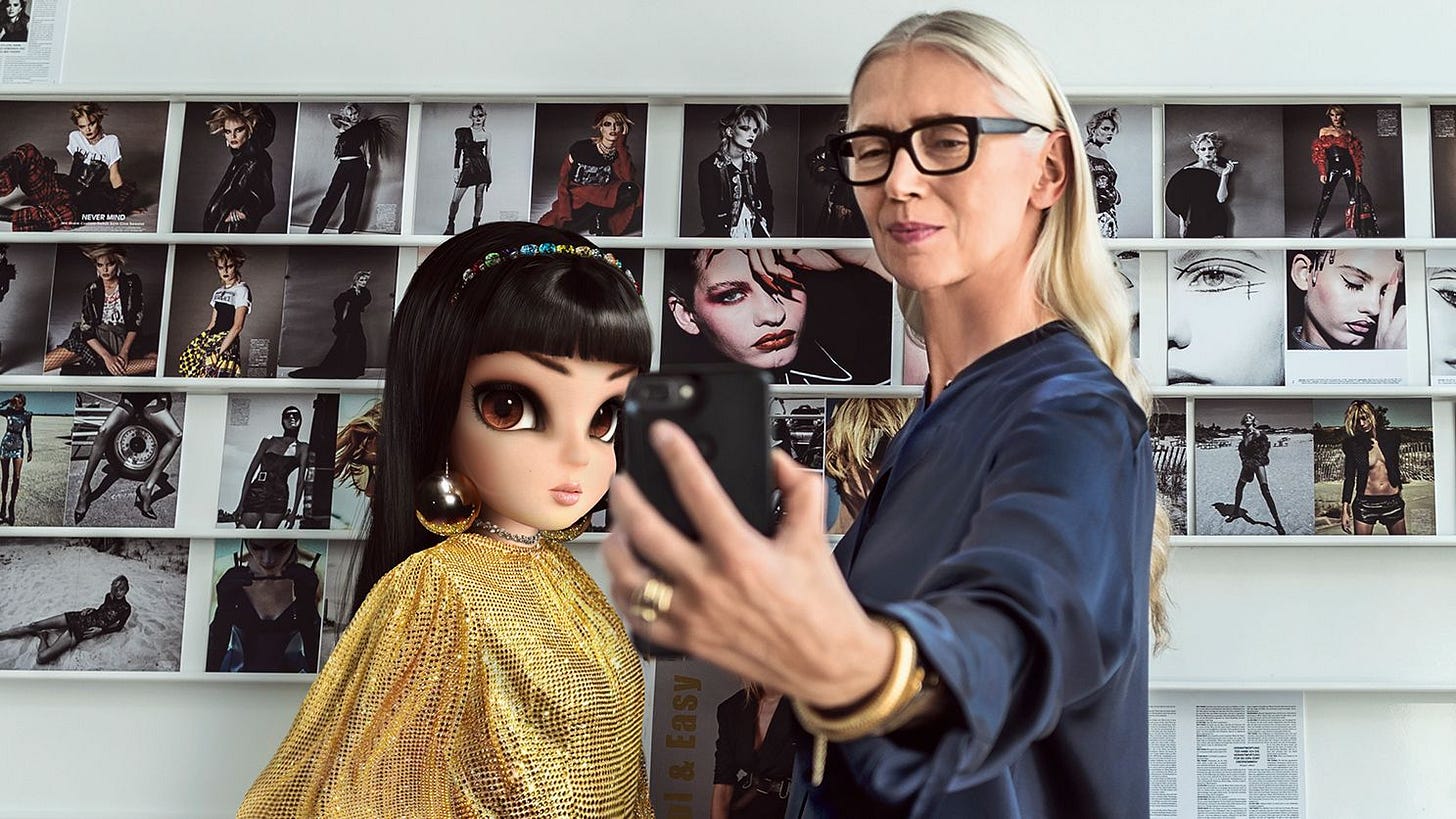
Noonoouri (@noonoouri): A German virtual influencer with around 488,000 followers known for her work in fashion and luxury brand collaborations including Dior and Versace.
Imma (@imma.gram): Hyperrealistic Japanese AI influencer, 388,000 followers, active in fashion and art.
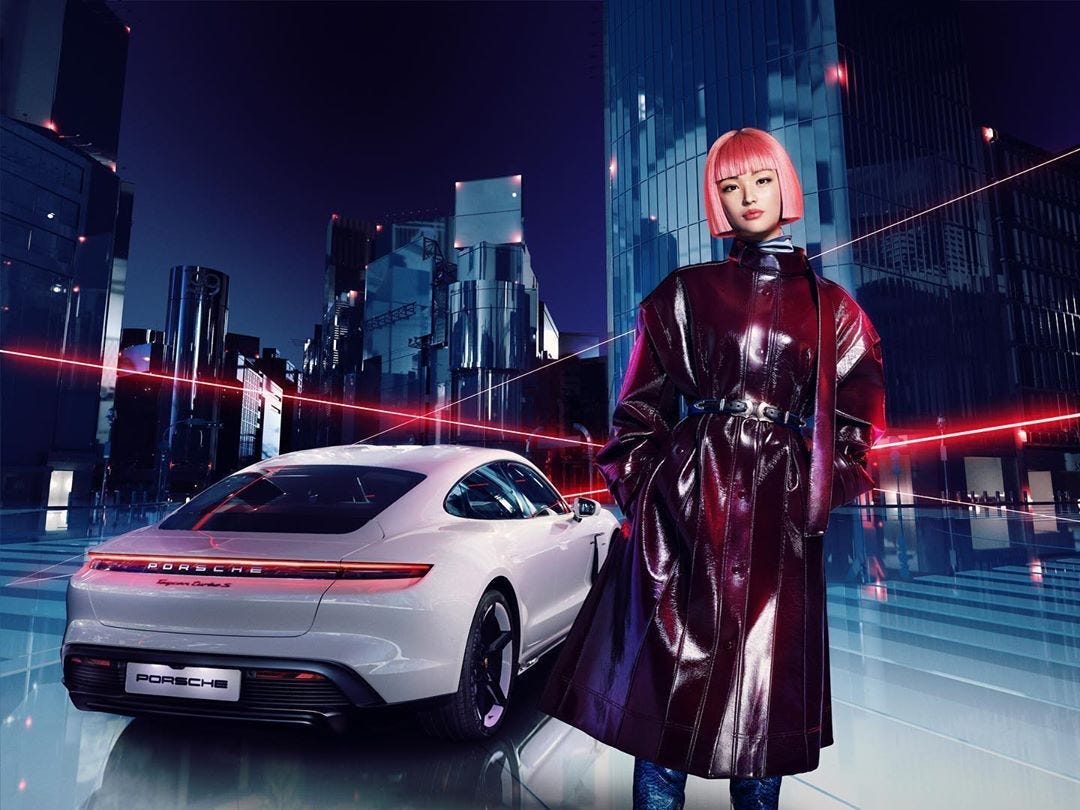
Aitana Lopez (@fit_aitana): A Spanish virtual influencer with 382,000 followers focusing on fitness and gaming, notable for her pink hair and successful brand partnerships.
Video source: BBC (2024).
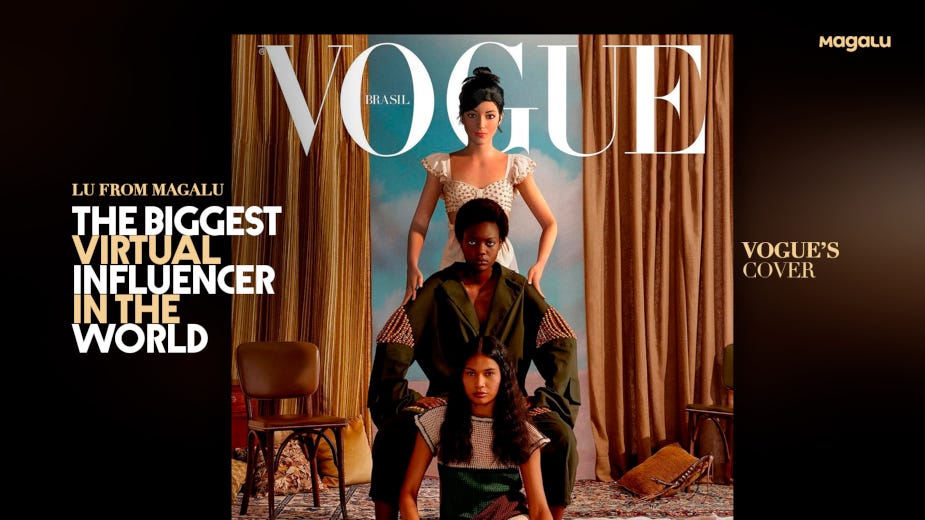
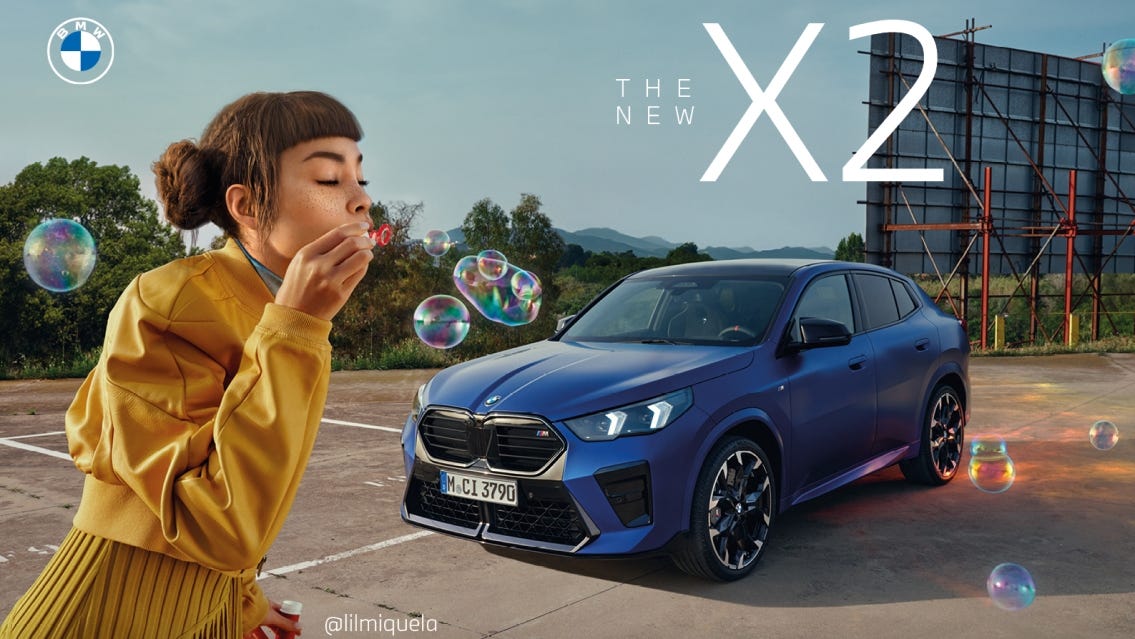
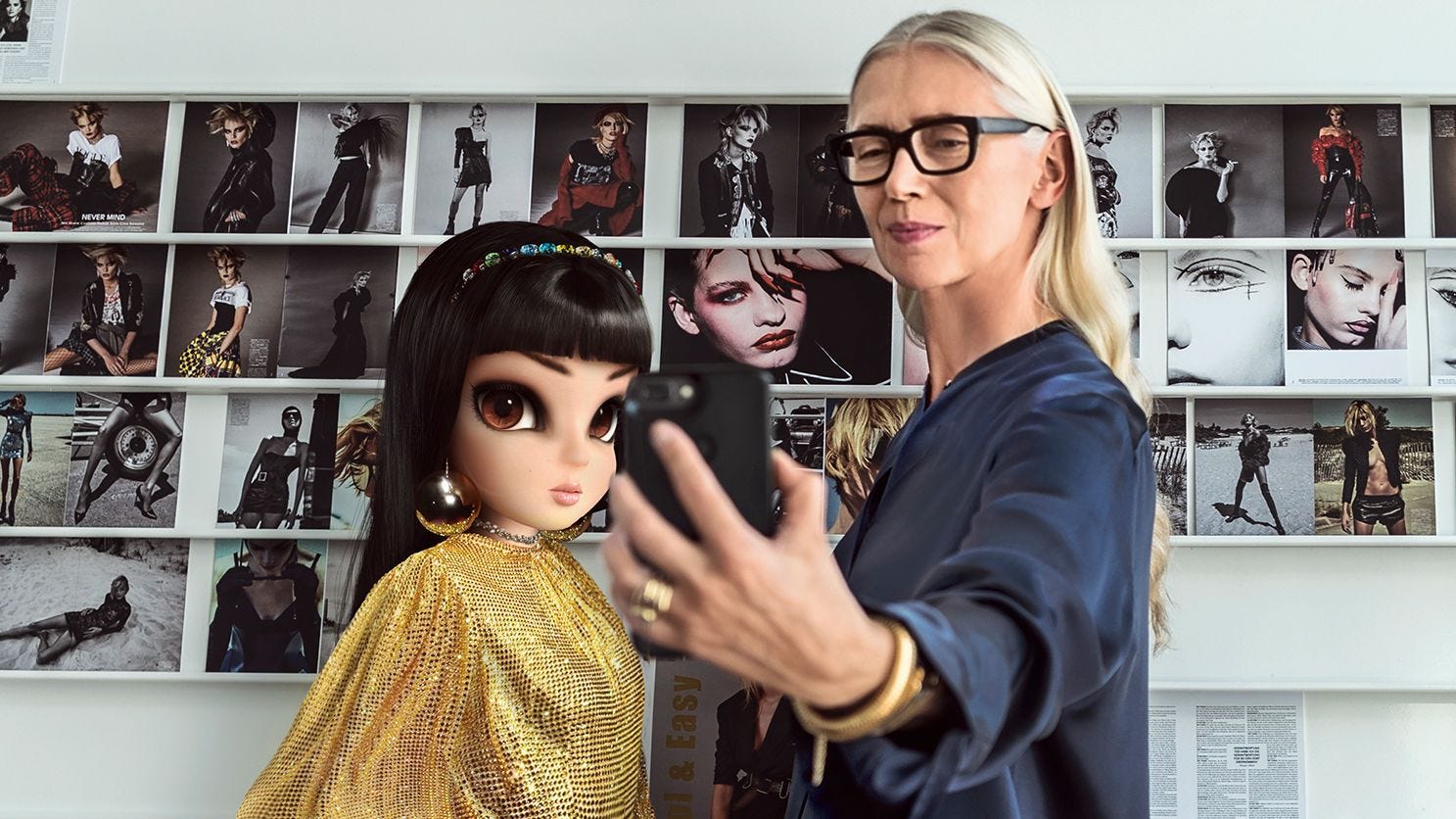
TikTok: VR creators take the spotlight:
Virtual influencers are less dominant here. Instead, creators like JulioVR, Vee, and HarryPair lead the VR-content segment with follower counts between 35K–240K, focusing on gaming and immersive experiences.
YouTube: still ruled by humans:
Virtual influencers are less visible, though characters like Rui, a K-pop-style virtual performer, hint at the next wave of virtual entertainment.
The Promise of Perfection
Virtual influencers are a marketer’s dream. They are perfectly on-brand, visually flawless, emotionally programmable, and free from the chaos of real life.
They don’t post something controversial at midnight.
They don’t get tired, sick, or distracted.
They never demand a fee increase or switch agencies.
They represent the ultimate fantasy of marketing control — a perfectly consistent spokesperson that never makes mistakes.
For global brands, this is irresistible.
One virtual influencer can “live” in dozens of markets, speak multiple languages, and maintain a spotless reputation while generating millions of interactions.
And yet, beneath the surface of that perfection lies a deeper paradox.
The Paradox of Perfection
Recent research at my Business School revealed something every marketer should pay attention to:
consumers still trust humans more than algorithms !
In this experimental study with Gen Z (Schwenkert 2023), real influencers generated significantly higher brand trust and positive perception than their virtual counterparts. The reason? Not realism. Not design. But credibility.
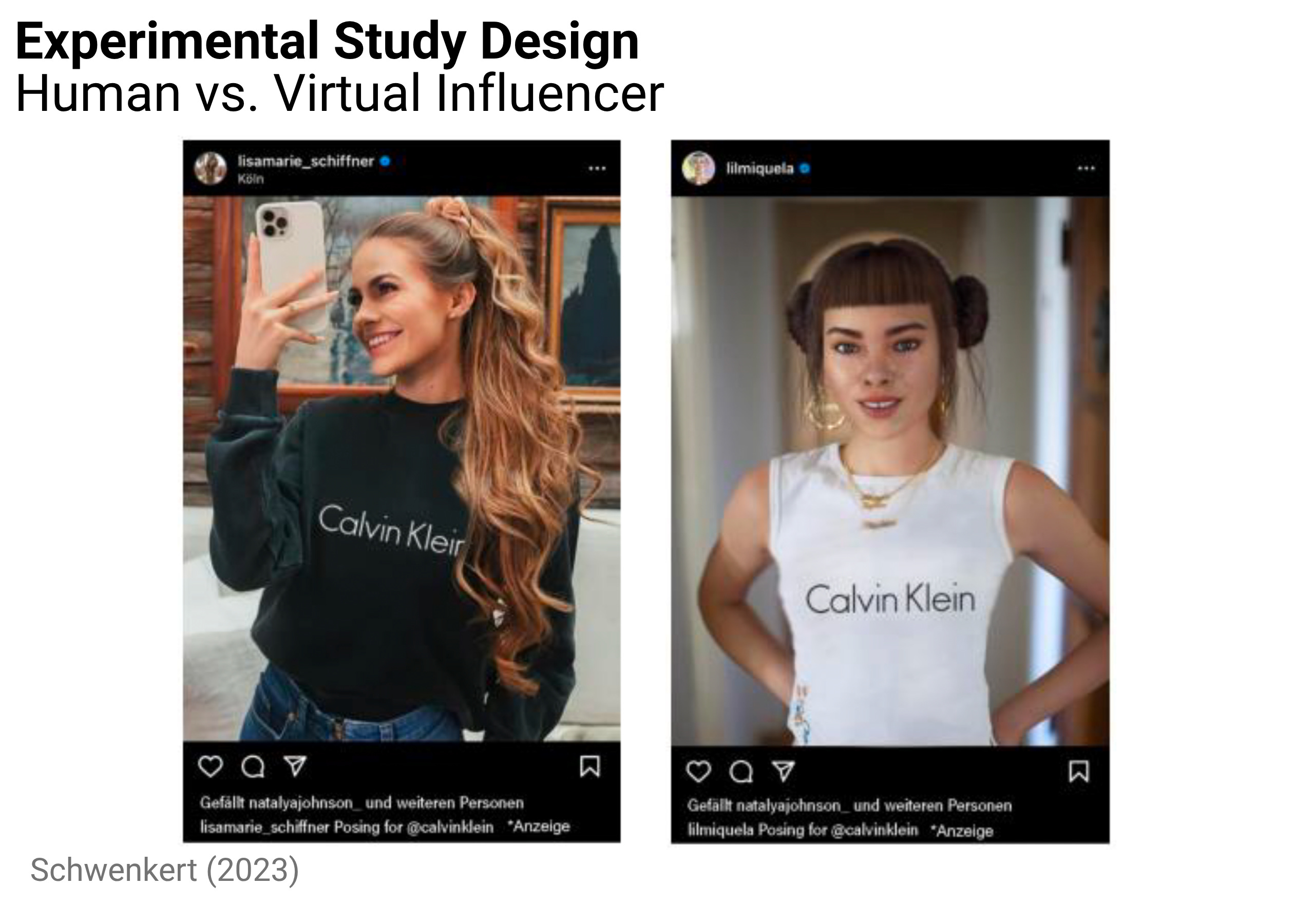
Even when a virtual influencer looks almost human, users sense the absence of spontaneity and imperfection. Their perfection becomes their weakness. Psychologists call it the uncanny valley, that uneasy space where something looks almost real but not quite, creating discomfort instead of empathy.
What’s missing isn’t detail or realism. It’s vulnerability. It’s the messy, emotional side of being human. And that’s precisely what builds trust.
The Power (and Limits) of Trust
Influence is not a function of visibility.
It’s a function of believability.
A human influencer can make mistakes, apologize, and grow which paradoxically increases credibility. A virtual influencer cannot. Every action is calculated. Every emotion is pre-programmed.
For marketers, this raises a critical question:
Can authenticity be engineered?
So far, the answer seems to be no. The study found that perceived credibility and attitude toward advertising mediate how people perceive the brand itself. The less credible the influencer, the less favorable the brand perception.
In numbers: human influencers scored roughly 0.6 points higher on credibility than virtual ones. That small gap made a major difference in overall brand trust.
Where Virtual Influencers Still Win
Despite these limitations, virtual influencers have clear advantages if used strategically:
Total control and brand safety:
No scandals, no inconsistencies.
Scalability:
One asset, global campaigns.
Cost efficiency over time:
After the initial investment, reuse is almost free.
Perfect alignment with brand identity:
You literally design the persona you want.
Relevance in digital ecosystems:
In the Metaverse or AR environments, human ambassadors can’t compete.
They also fit cultural movements toward digital identity.
For younger generations, avatars are not weird, they are normal. The boundary between real and virtual self is already blurred.
That makes virtual influencers a powerful testbed for the next phase of marketing: one where brands operate simultaneously in physical and digital realities.
From Human to Hybrid
The question isn’t whether virtual influencers will replace humans. It’s how they will complement them.
Just as automation didn’t remove marketers but changed their roles, virtual influencers won’t eliminate human influence. They will expand what it means.
The future is not either/or but and/and: Human and virtual. Real and synthetic. A collaboration between authenticity and scalability. Imagine a campaign where a real creator introduces a topic and their virtual twin continues the story across languages, formats, and time zones. 24/7 engagement without burnout. A Heidi Klum that would not be limited to 365 days a year.
Emotion meets efficiency. That’s not science fiction. It’s strategy.
The Ethical Horizon
But there’s a deeper conversation beneath the surface. If marketing becomes indistinguishable from simulation, how do we protect meaning? When AI agents create, optimize, and deliver brand messages autonomously, who ensures they align with human values — not just brand KPIs?
The challenge of the next decade won’t be how realistic virtual influencers appear, but how honest the systems behind them remain. Technology can already replicate gestures, faces, and even tone of voice — but not intent, empathy, competence or integrity.
For example: I follow human tech influencers like Marques Brownlee not just for his expertise, but for his unmistakably human presence: the curiosity, skepticism, and authenticity that no algorithm can imitate.
That remain a human qualities.
What’s the Conclusion: The Human Signal
Marketing has always evolved with technology. But its essence has never changed: to create value, connection, and trust. Virtual influencers can be a the next step in this evolution — an opportunity to reinvent storytelling, personalization, and scale.
Yet, they also remind us what cannot be automated: empathy, credibility, and moral judgment.
In the end, the most advanced AI will still depend on one human decision:
What do we want it to stand for?
Another brilliant article! I had no idea virtual influencers were a thing! So much is happening, so fast. My question here is: do businesses really need this type of scalable, unstoppable marketing engines? How much can people consume to begin with? Or is people’s consumption capacity not a factor here?
I’m watching this shift with a mix of curiosity and concern. On one hand, I believe in the value of human-led storytelling. But on the other hand, I’ve seen how quickly people get used to simulated voices, especially when the message is wrapped well.
Coming from Russia, I’ve seen how mass communication adapts and redefines what feels “normal” within a very short time. Marketing is not immune to this either.